Baseball hobby boxes range from multi-pack products designed for set building to premium releases with only a few cards per box. Their price and presentation can differ dramatically, so compare the configuration and official checklist before buying. A box that contains fewer cards may focus on premium autographs or memorabilia, while a larger box may provide more packs and a wider opening experience.
Start with the pack and card count
Check how many packs are in the box and how many cards are in each pack. Some releases have one pack with a few cards; others contain many packs with a larger base-set focus. A case is a separate product that may contain multiple boxes. Do not confuse one hobby box with a full case or assume that two products have the same configuration because they share a manufacturer or brand.
Read the checklist and base-set size
A baseball checklist identifies the players, teams, subsets, inserts and special versions included in the release. If you build team or player collections, the checklist helps determine whether the product is relevant. Some sets focus on veterans and stars, others include prospects and rookies, and premium products may concentrate on autographs or memorabilia. Confirm the season and product edition before buying.
Understand autograph and relic content
Autograph cards may be signed directly on the card or on a sticker. Relic cards contain material as described by the manufacturer, but the exact source matters. A memorabilia card is not automatically game-used or player-worn. Read the wording and checklist closely, and do not rely on generalized marketing phrases to infer the origin of a material piece.
Parallels and serial numbering
Baseball products may include color, foil, refractor or other parallel versions. Some are serial-numbered, while others are not. Check each release’s parallel checklist rather than assuming a color always represents the same print run from one product to another. A numbered card’s denominator identifies the stated run size for that version, not its market value.
Opening expectations
Even when a product advertises autograph or memorabilia possibilities, a particular player’s card is not guaranteed unless the manufacturer explicitly states it is included. Randomized packs can contain duplicates and different combinations of inserts or parallels. Avoid buying based on social media claims that a specific box location or pack order guarantees a hit.
Examples at TIBCHIT
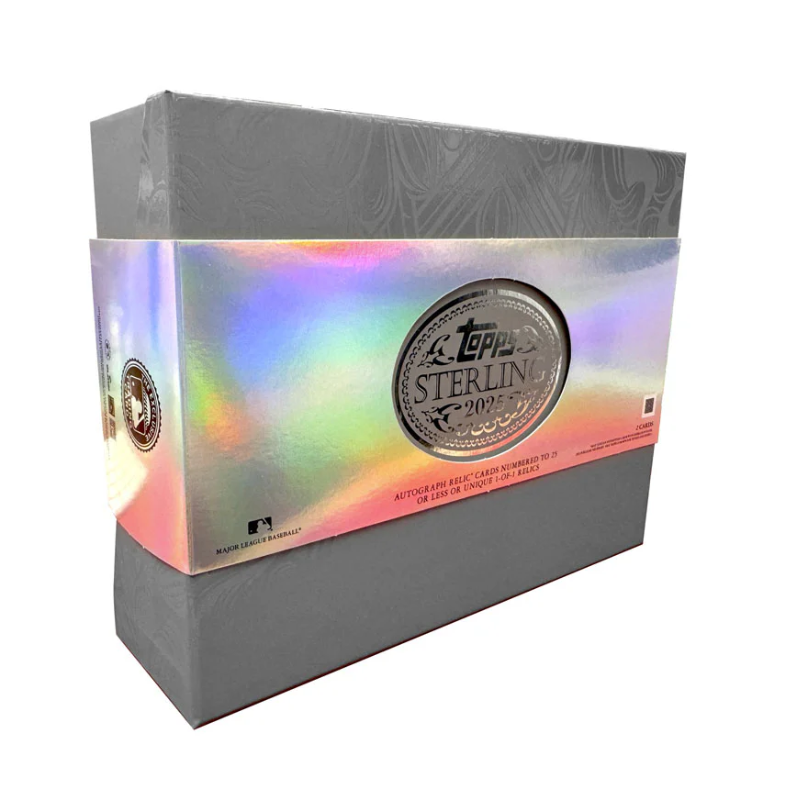
Current baseball products listed by TIBCHIT include 2025 Topps Sterling Baseball, 2025 Topps Gilded Collection Baseball, 2025 Topps Dynasty Baseball and 2025 Topps Chrome Platinum Baseball. Compare the exact box configuration and checklist to find the format that matches your collecting goals.
Baseball checklist: from set builders to premium collectors
Set builders may prefer a release with a broad base checklist and a larger number of packs, while collectors who focus on autographs or memorabilia may compare premium one-pack formats. These are different buying goals. Look at the card list and the type of content the product emphasizes instead of assuming a more expensive box is automatically better for every collector.
For autograph and relic products, read the checklist and card statements carefully. “On-card” describes the signature placement, while “sticker autograph” describes a signature applied to a sticker before it is attached to the card. Relic terms can also be specific: do not describe a material as game-used unless the manufacturer says so. A possible autograph or a chase insert is not the same as a guaranteed box hit.
Baseball product comparison worksheet
- Season and product name.
- Cards per pack, packs per box and boxes per case.
- Base checklist size and team/player coverage.
- Autograph, relic and parallel structure.
- Any stated guaranteed component.
- Whether the product is a hobby box, special edition or case.