
A sports card collection can become difficult to manage once cards from several sports, seasons and manufacturers start mixing together. A consistent filing system makes it easier to find a player, track duplicates, compare parallels and identify gaps in a set. You do not need an expensive collection platform to begin. A binder, storage boxes and a simple spreadsheet can provide a useful structure.
Choose the main way you want to browse
Some collectors organize primarily by sport, others by player, team, season or product set. Choose the method that reflects how you search for cards. If you follow one baseball team closely, team-first folders may be convenient. If you collect a single athlete across several years and products, player-first records may work better. A hybrid system can use sport as the top level, then team or player within it.
Record the card identity
For each card, record the sport, season, manufacturer, product name, set, card number, player and team or club. Add the parallel or insert name if the card is not a base version. These details matter because the same player can appear in many products and years. A short title such as “Rookie card” is not enough to identify the exact printing.
Separate base cards, inserts and parallels
Keep the base set distinct from inserts, autograph cards, memorabilia cards and parallels. A color or foil variation may look similar to the base card but have a different card number or checklist designation. Use the manufacturer’s checklist to verify the exact version. For serial-numbered cards, record the numerator and denominator exactly as printed.
Track condition and storage location
A condition column can note centering, corner wear, edge chipping, surface scratches or other visible issues. Avoid using a grade such as “Mint” unless you are applying a clearly defined standard. Add a storage location field, such as binder name, page number or box divider. This helps locate a card without repeatedly handling the entire collection.
Manage duplicates intentionally
Duplicates can be useful for trades, set building or keeping one copy in a binder and another protected separately. Track the quantity owned rather than entering each duplicate as an identical separate row unless you need to record its individual condition. A duplicate list can also help prevent accidental repeat purchases.
Use a simple spreadsheet structure
- Sport and season.
- Manufacturer, product and set.
- Player, team or club.
- Card number and subset.
- Parallel, serial number or autograph/relic note.
- Quantity and condition notes.
- Storage location and acquisition notes.
Keep the system current
Add new cards after opening packs rather than allowing unsorted piles to accumulate. Use the official checklist to confirm card numbers and parallel names. When you move a card to another binder or holder, update the location field. If the collection is large, keep a backup copy of your spreadsheet so your catalog is not tied to one device.
Build a collection around the products you enjoy
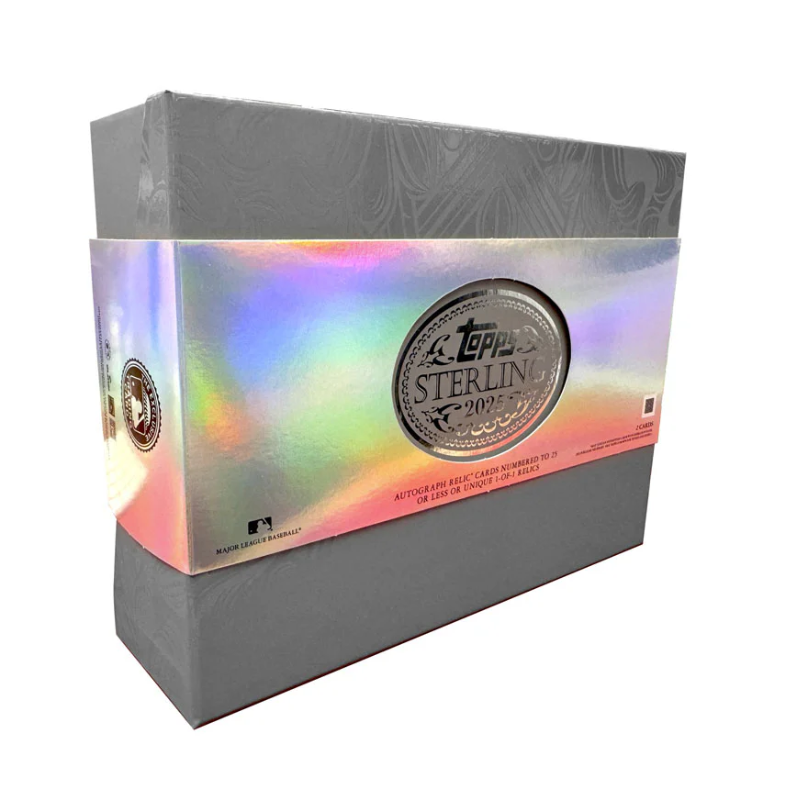
TIBCHIT lists sports products including 2025 Topps Sterling Baseball, 2025 Topps Resurgence Football, 2024/25 Panini Court Kings Basketball and 2025/26 Panini Select Road to World Cup Soccer. Record each product’s season and checklist as you build your collection, and browse the TIBCHIT Buying Guides for more collector advice.
Choose binders and boxes around card type
Standard cards can often be stored in binder pages, while thicker relics and patch cards may need separate holders. Do not force thick cards into tight binder pockets. For graded slabs, use boxes or shelves designed for their dimensions. Keep cards upright or flat in a way that prevents bending and avoid stacking heavy objects on top of them. A storage system should make cards easy to find without repeated handling.
For a large sports collection, a hybrid system can work well: organize first by sport, then by season or product, and use player or team tags in your spreadsheet. Keep serial-numbered cards and autographs clearly identified, and store duplicates separately. Review the catalogue occasionally so cards moved to another binder or traded away are updated in your records.
Monthly collection maintenance
- Update new acquisitions and quantities.
- Check that card numbers and parallels are recorded accurately.
- Inspect sleeves and holders for splits or dust.
- Confirm storage locations still match the spreadsheet.
- Back up the collection file to a second location.