
One Piece Card Game cards are easier to sort and understand when you recognize the main card types. Leaders, Characters, Events and Stages serve different roles in the game. The card frame, text box and rules icons help identify what a card does, but players should always consult the current official rules for exact timing and interactions.
Leader cards
The Leader card represents the central identity of a deck. It has its own attributes and effect text, and it influences the deck-building choices available to the player. Leader cards are often a natural focus for collectors because they define the strategy and may have parallel or alternate-art versions. When sorting a collection, keep Leader cards separate from ordinary Character cards so they are easy to locate.
Character cards
Character cards are used to build the field and carry attributes such as power, cost and effects. Their value in play depends on the card text and deck context, not only the character’s popularity. In a collection, record card number, rarity, color and any parallel treatment. The same character may appear across different sets and versions.
Event cards
Events provide effects that are used according to the game’s timing and conditions. Some may be played during a turn, while others have counter effects. Read the full text and cost requirements carefully. A card that appears simple may interact with other rules, so players should consult the comprehensive rules and current errata for disputed situations.
Stage cards
Stage cards represent locations or settings and can provide ongoing effects. They are distinct from Characters and Events and may have their own placement and effect rules. For collectors, Stage cards can be organized by set, card number and rarity. For players, their value depends on the deck and interaction with other cards.
How card types help with collection management
- Sort by card type first, then by set and card number.
- Keep Leaders and alternate-art versions together.
- Record parallel and rarity variations separately.
- Use a checklist to track missing cards and duplicates.
- Protect valuable cards in sleeves and suitable holders.
Use official rules for gameplay questions
Card text and official rules can change through errata and revisions. For current gameplay questions, use the official One Piece Card Game rules and resources. This is more reliable than assuming a rule based on an old video or a forum post.
Find sealed One Piece products at TIBCHIT
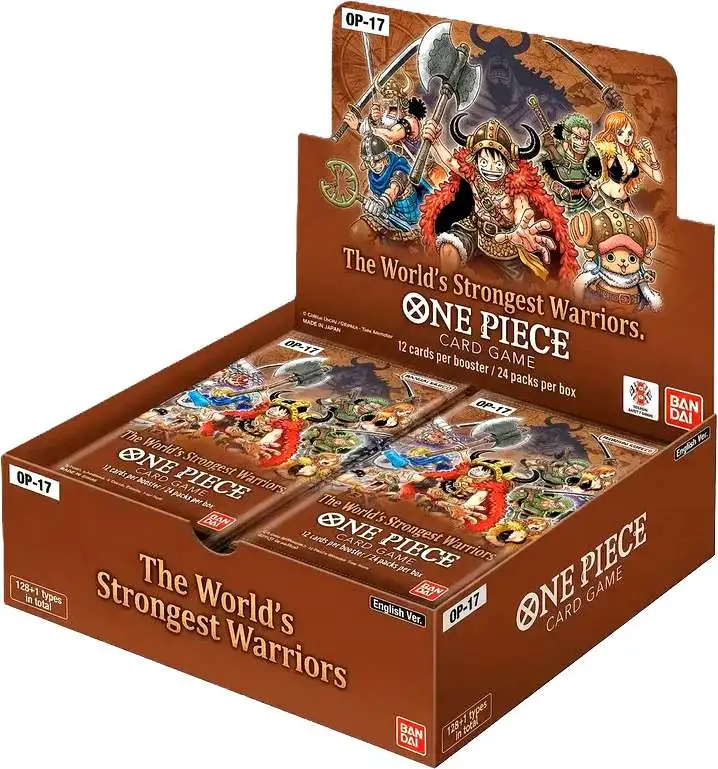
TIBCHIT lists the OP-17 English Booster Box and the Anime 25th Collection Extra Booster EB-02. Review each product’s set identifier, language and pack configuration before purchasing.
How card types work together in a deck
Leader, Character, Event and Stage cards are not just filing categories: they interact as part of a deck’s strategy. A Leader defines the deck’s identity, Characters develop the field, Events provide effects at the timing permitted by their text, and Stages can provide ongoing benefits. The exact way these cards interact depends on the current rules and the wording printed on the card.
When learning a new deck, read the Leader effect first, then look for Character and Stage cards that support its strategy. Review costs, power, color and timing restrictions. Do not rely on an old strategy article if an erratum or official ruling has changed. For collection management, keep card types in the catalog but also record set code and card number, since the same Character may have several printings and parallel versions.
Organize a One Piece collection
- Separate Leaders from other card types.
- Sort by set code and card number.
- Record parallel and alternate-art treatments separately.
- Track language and duplicates.
- Use sleeves and suitable holders for cards you handle often.