
One Piece Card Game cards use rarity labels and special artwork treatments to help identify different printings and collector versions. These labels are useful, but they do not tell the whole story: rarity, card role in the game, card number, language, condition and demand are separate details. This guide explains the terms collectors commonly encounter and how to check a specific card before buying.
Common rarity abbreviations
One Piece Card Game listings and collector discussions commonly use abbreviations such as C, UC, R, SR and SEC. These stand for the rarity categories printed on cards. The exact range of rarities and special treatments available depends on the product and release. Always check the card itself and the official card list for the relevant version.
- C: Common.
- UC: Uncommon.
- R: Rare.
- SR: Super Rare.
- SEC: Secret Rare.
Some products and releases also feature leader cards, special cards, alternate-art or parallel versions, and other premium treatments. Those labels describe a printing or treatment; they do not automatically mean the card is more useful in every deck or more valuable in every market.
What are parallel and alternate-art cards?
A parallel card is a version of a card with a different visual treatment from its standard version. Collectors may refer to alternate art, parallel art or special versions depending on the product and community terminology. Artwork, foil pattern, texture and frame details can make a version visually distinct.
When comparing listings, confirm the full card number and version. Two cards can share a name or game effect but have different artwork or treatments. A listing photo should show the actual version being sold or clearly state when it is illustrative.
Rarity is not the same as gameplay role
The official One Piece rules identify card categories such as Leader, Character, Event, Stage and DON!! cards. Those categories explain what kind of card it is in the game; rarity is a separate marking. A lower-rarity card can still be important to a deck, while a highly decorated card may be collected primarily for its art or scarcity.
If you are learning the game, the official One Piece Card Game rule manual explains card information and basic game flow. The comprehensive rules provide more detailed explanations.
How to check a One Piece card before buying
- Read the complete card name and card number.
- Confirm the set or product from which the card comes.
- Check the language and edition.
- Compare the rarity marking and artwork treatment with an official reference.
- Inspect the front, back, corners, edges and surface in clear photographs.
- Ask whether the image shows the exact version being sold.
What to know about booster boxes
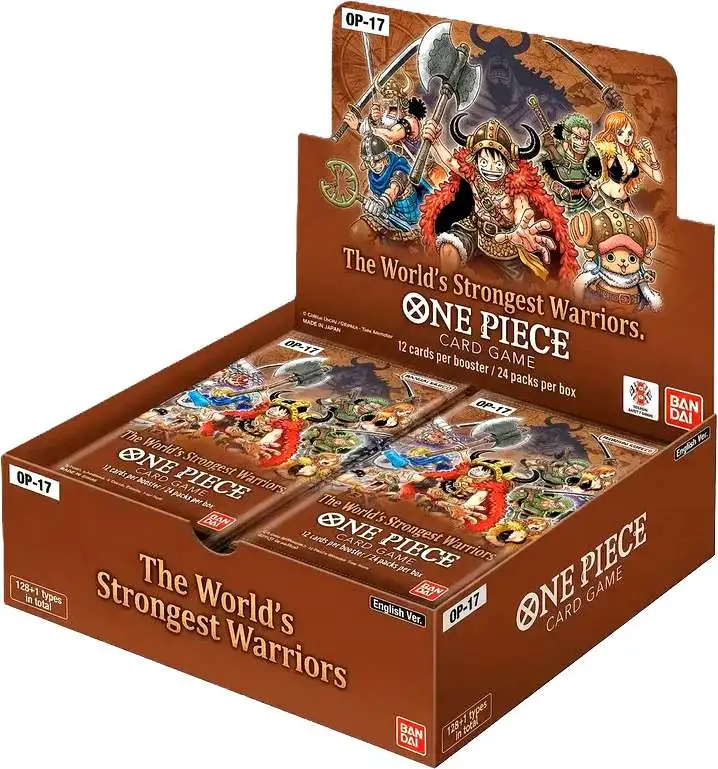
A booster box contains sealed packs, but the exact configuration is product-specific. Do not assume that a box guarantees a particular rarity, alternate-art card or character. Pull rates and distribution can differ between releases, and a product listing should not promise an individual card unless it is specifically included as a stated item.
For example, the TIBCHIT OP-17 English booster box listing describes the particular version and pack configuration offered. It is one product example, not a universal specification for all One Piece boxes.
Frequently asked questions
Does SEC always mean a card is the most valuable?
No. Rarity is one characteristic. Demand, artwork, condition, playability, print version and availability can all matter. Market prices change and are not guaranteed by a rarity label.
Are parallel cards always different game cards?
Not necessarily. A parallel version can share the same name or effect while using a different artwork or treatment. Verify the exact printing.
Where can I check official card details?
Use the official card list and rule documents for the current game information, then compare the exact card version shown in a listing.
Browse the One Piece collection at TIBCHIT to see available products, and check each listing for its exact language and configuration.
Related TIBCHIT guides
Explore more practical advice in the TIBCHIT card buying guides library.