
Choosing the right trading-card sleeve is one of the simplest ways to protect a collection, but sleeve types are not interchangeable. A loose penny sleeve, a snug inner sleeve and a thicker premium sleeve serve different purposes. The correct choice depends on card dimensions, whether you plan to double-sleeve, the holder you use afterward and how often the card will be handled.
Penny sleeves for basic protection
Penny sleeves are thin, flexible sleeves commonly used to protect individual cards from fingerprints, light surface contact and routine handling. They are often used as the first layer before placing a card in a toploader or storage box. Check the sleeve’s stated dimensions and material before buying. A sleeve that is too small can catch a corner, while an oversized sleeve may allow the card to move around.
Inner or perfect-fit sleeves
Inner sleeves are designed to fit closely around a card and are often used as the first layer in a double-sleeving setup. Because the fit is tighter, insert the card carefully and do not force it. Compatibility differs between brands and sleeve designs. A perfect-fit sleeve should not be assumed to fit every card game or every card with thicker stock.
Premium sleeves for play and display
Premium sleeves may have thicker material, textured backs, colored designs or clearer fronts. Players may choose them for shuffle feel and durability, while collectors may prefer transparent sleeves for viewing the card. Matte and glossy finishes can feel different during play. If you are using the card in an official event, check the tournament rules for sleeve opacity, uniformity and damaged sleeves.
Double-sleeving: useful but not automatic
Double-sleeving combines an inner sleeve with an outer sleeve. It can provide another layer of protection, but the combination must fit the card and the deck box. If the overall sleeve is too large, it may bend cards or make a deck difficult to shuffle. Test one card before sleeving an entire collection, and avoid forcing a sleeved card into a tight holder.
Check material and storage conditions
Look for sleeves described as archival-safe or suitable for long-term card storage, and avoid products that feel sticky, smell strongly or leave residue. Keep sleeved cards away from heat and humidity. Sleeves do not make a card waterproof, and they cannot prevent damage from pressure, bending or severe moisture exposure.
Match sleeves to the card and holder
- Confirm the card’s standard or oversized dimensions.
- Choose an inner sleeve only if you want a close fit.
- Check that the outer sleeve works with your deck box or binder.
- Test thicker cards and memorabilia cards separately.
- Replace sleeves that split, cloud or collect dirt.
Protect the cards you collect at TIBCHIT
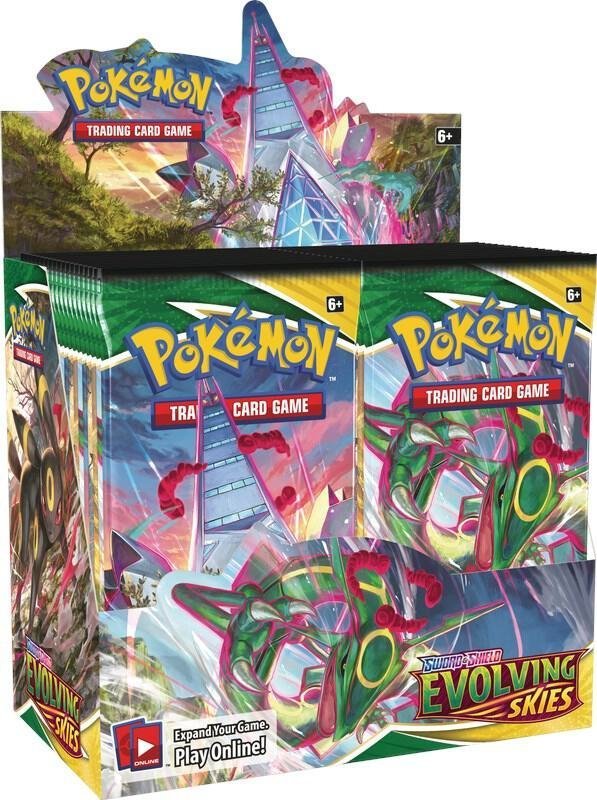
TIBCHIT carries sealed products across Pokémon, One Piece, Magic, Yu-Gi-Oh! and sports cards. Whether you open a Pokémon Evolving Skies Booster Box or a One Piece OP-17 booster box, plan suitable sleeves before opening packs so cards can be protected as you sort them.
Choose sleeves by use case
For a collection binder, a sleeve should fit the card and the binder page without creating excess movement. For a deck that is shuffled regularly, sleeve durability and feel may matter more. For a card kept in a rigid holder, the sleeve must be compatible with the holder’s inside dimensions. Some collectors use an inner sleeve and an outer sleeve, but test the combination with one card first to make sure it does not become too tight.
Check product descriptions for dimensions, material and whether the sleeve is intended for standard-size, Japanese-size or oversized cards. Do not assume a sleeve used for Pokémon fits every other card game. Thick memorabilia or premium stock cards may need sleeves designed for a larger thickness. Replace sleeves that split, cloud or trap debris rather than continuing to use them.
Common sleeve mistakes
- Forcing a card into an undersized inner sleeve.
- Double-sleeving without checking deck-box space.
- Using damaged or dirty sleeves.
- Assuming sleeves make cards waterproof.
- Using a sleeve and toploader combination that squeezes the corners.