
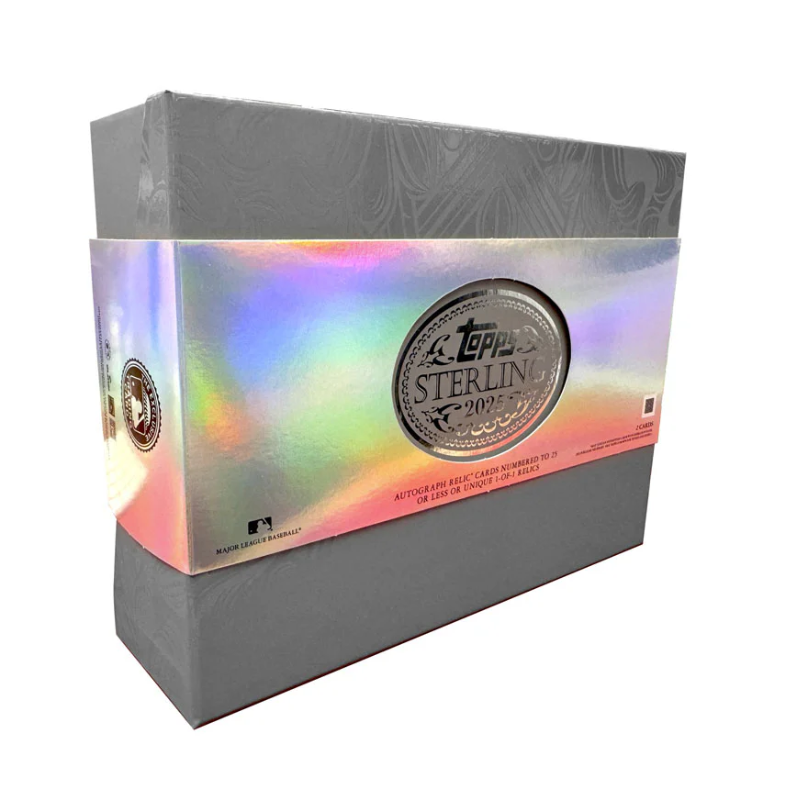
Sports card product descriptions often mention autographs, relics, memorabilia or patches. These terms refer to different types of card features, and collectors should understand the distinction before choosing a hobby box. A card with an autograph is not the same as a card with a piece of memorabilia, and a patch card is not automatically player-worn or game-used. The exact wording on the card and manufacturer checklist matters.
What an autograph card is
An autograph card contains a signature presented as part of the card design or on an attached signing area. Product descriptions may distinguish on-card autographs from sticker autographs. With an on-card autograph, the signature is written directly on the card. With a sticker autograph, the signature is applied to a sticker and the sticker is placed on the card during production. Both formats can be legitimate manufacturer-issued autograph cards, but collectors may have a personal preference for one presentation.
What a relic or memorabilia card is
A relic card contains a piece of material incorporated into the card. Product checklists may describe jersey, bat, ball, glove, equipment or other memorabilia. The origin and use of the material should be read exactly as stated by the manufacturer. A generic “memorabilia” description does not prove that the item was worn in a game or used by a particular athlete. Do not assume game-used status unless the card or official checklist explicitly says so.
What a patch card means
A patch card is a type of memorabilia card that displays a fabric piece, often with a distinctive design or stitching. A patch can be visually appealing, but the word “patch” alone does not establish the origin of the fabric. Manufacturers may use event-worn, player-worn, game-used or non-associated material, depending on the release. Read the card’s statement carefully and avoid repeating stronger claims than the wording supports.
Check the product checklist
- Does the checklist identify autograph, relic or patch content?
- Does it specify on-card or sticker autographs?
- Does it describe the memorabilia as game-used, event-worn or not associated with a specific event?
- Are cards numbered or parallel versions listed separately?
- Is the product hobby-only, retail, premium or a special configuration?
Understand the difference between a hit and a guarantee
A product may advertise autograph or memorabilia content across the set, but not every box necessarily contains every card type. Read the stated box configuration and any manufacturer odds or guarantees for that release. Never treat a chase-card list as a promise that a particular player, patch or autograph will appear in your box.
Compare sports card products at TIBCHIT
TIBCHIT lists premium sports releases including 2025 Topps Sterling Baseball, 2025 Topps Gilded Collection Baseball and 2025 Topps Royalty UFC. Compare each product’s exact configuration and checklist before choosing. For grading and condition questions, see the TIBCHIT sports card grading guide.
How to verify memorabilia wording
Read the exact statement on the card or official product checklist. “Memorabilia,” “event-worn,” “player-worn” and “game-used” are not interchangeable terms. Some products may use material that is not associated with a specific player or event. A patch window is a design feature; it does not by itself prove the source of the material. If provenance matters to your collection, record the exact wording and keep a photograph of the card statement.
For autographs, distinguish an on-card signature from a sticker autograph. The card’s checklist can identify the format, while the product description may only mention autograph possibilities generally. Do not claim a signature is witnessed or authenticated by a grading company unless a recognized service has actually provided that authentication.
Checklist before buying a hit-focused product
- Identify whether the box guarantees a hit or only offers possible hits.
- Confirm the checklist and the set year.
- Check whether the autograph is on-card or sticker-applied.
- Read the relic source statement carefully.
- Compare box configuration and price without assuming a specific pull.