
Yu-Gi-Oh! cards come in multiple rarities and visual finishes. The rarity can affect how a card looks, but it does not by itself determine the card’s tournament usefulness or market price. When comparing a card, check the exact printing, set code, language, edition, condition and rarity together.
Common Yu-Gi-Oh! rarity names
Konami’s official beginner guide describes a range of rarities and their visual characteristics. Common cards have no foil embellishment, while other rarities use foil on the name, artwork, borders or other parts of the card. Examples include:
- Common: the basic finish without foil embellishment.
- Rare: a foil card name, with the artwork not using the same foil treatment.
- Super Rare: a holographic finish on the artwork.
- Ultra Rare: foil treatment on the name and holographic artwork.
- Secret Rare: a distinctive rainbow-style foil treatment.
- Ultimate, Collector’s, Starlight, Ghost and other special rarities: use additional textures or foil patterns described by Konami for those versions.
Not every rarity appears in every product or set. Konami’s official New to Yu-Gi-Oh! guide explains the visual differences, and the official Yu-Gi-Oh! card database can help identify card information and printings.
Rarity is not the same as edition
Edition details and rarity are separate. A card’s edition or printing information can affect how collectors identify it. Check the card’s set code and any edition marking, and compare the exact printing rather than relying only on the card name. Two cards with the same name may have different rarities, set codes, languages or artwork treatments.
How to verify a card listing
- Confirm the exact card name and card number.
- Check the set code and release or product name.
- Read the rarity stated in the listing and compare the finish in photographs.
- Confirm language and edition.
- Inspect corners, edges, surface and any visible wear.
- Check whether the image shows the exact card or a representative example.
Why rarity does not guarantee value
Collectors may value a card because of its character, artwork, scarcity, condition, competitive demand or nostalgia. A high-rarity version may be sought after, but prices change and not every rare card is expensive. A lower-rarity card may be important to a deck or hard to find in a particular printing. Treat rarity as one identification detail, not as a promise of resale value.
Sealed products and randomized contents
Booster packs contain randomized cards. A box or display should not be presented as guaranteeing a particular card unless the product explicitly lists that card as a fixed inclusion. Check the number of packs, cards per pack, language and product quantity on the exact listing. Also confirm whether you are buying one box, a display or a case.
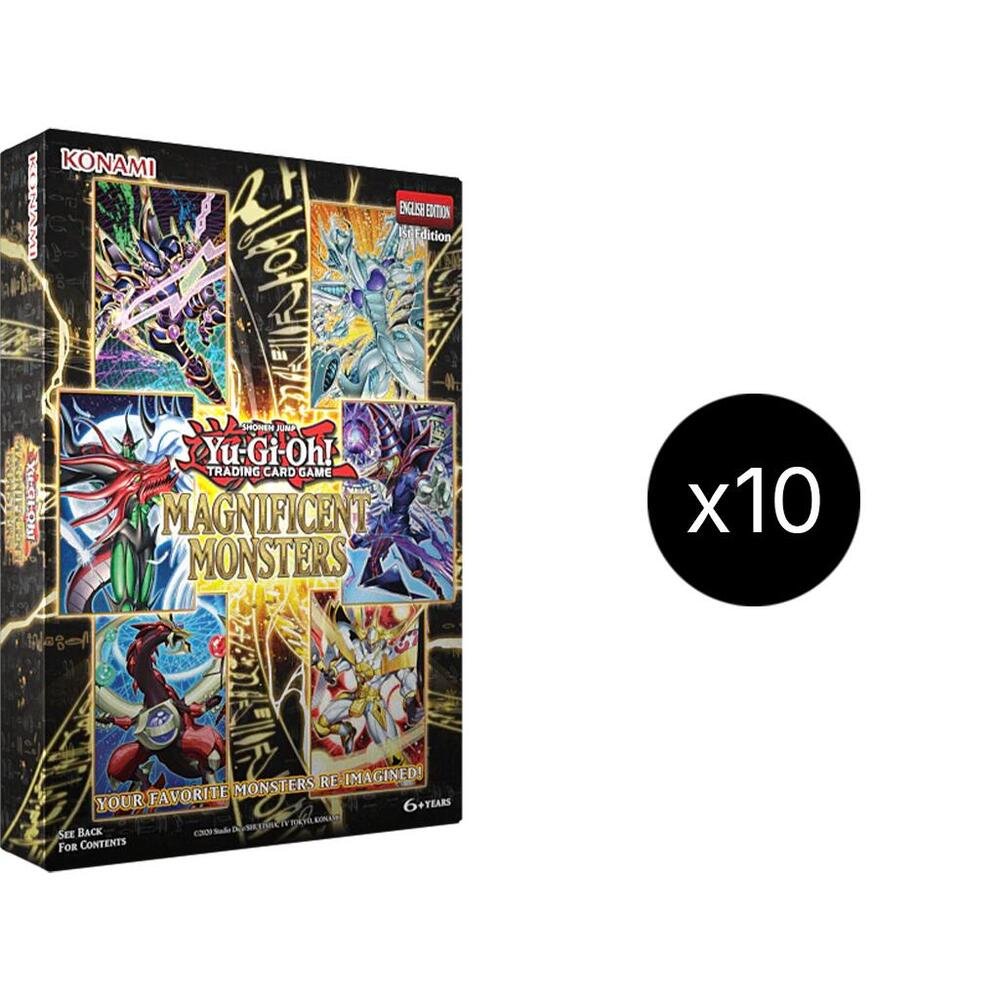
The TIBCHIT Yu-Gi-Oh! Magnificent Monsters display listing is an example of a multi-box display. Its stated quantity and contents belong to that specific product, not every Yu-Gi-Oh! display.
Frequently asked questions
Is Secret Rare always more valuable than Ultra Rare?
No. Rarity, card demand, condition, edition, set and availability all matter. Compare the exact printing and current market context.
Can one card have multiple rarities?
Yes. A card may be reprinted in different sets or products with different rarities and finishes.
How can I identify a specific printing?
Use the card name, set code, card number, language and official database. Compare those details with the actual listing photographs.
Browse Yu-Gi-Oh! products at TIBCHIT and read each product’s exact description before purchase.
Related TIBCHIT guides
- How to start collecting Pokémon cards
- How to store trading cards
- One Piece Card Game rarities explained
Explore more practical advice in the TIBCHIT card buying guides library.